Call us now :08045479037
 Send Inquiry
 Send Inquiry
Slack Wax
MOQ : 500 Kilograms
Slack Wax Specification
- Appearance
- Solid
- Form
- Solid
- Base
- Paraffinic
- Product Type
- Slack Wax
- Similar Viscosity
- Comparable to Standard Slack Wax
- Color
- Light Yellow
- Operating Temperature
- Up to 65C
- Temperature Range
- 20C to 65C
- Anti Corrosion
- Yes
- Grade Standard
- Technical Grade
- Application
- Candle Making, Rubber, Emulsion, Particle Board, Matches, Textile
- Usage
- Industrial
- Pack Size
- 50 Kg
Slack Wax Trade Information
- Minimum Order Quantity
- 500 Kilograms
- Supply Ability
- 1 Kilograms Per Day
- Delivery Time
- 4 Days
- Sample Available
- Yes
- Main Domestic Market
- All India
- Certifications
- ISO Certified
About Slack Wax
We are one of the leading manufacturers and suppliers of supreme quality Slack Wax. This wax is processed using high grade chemical compounds under most favorable conditions at our well-equipped production unit. It is used for making various types of candles and other products in an efficient manner. In addition to this, we offer this Slack Wax in various packaging options at reasonable rates to meet the requirements of the clients.
Features:
- Long shelf life
- Purity
- Precise composition
- Effectiveness
Product details
| Usage/Application | Used in Tyres, Rubber Shoe, Plastic industry, Polish making industry |
| Material | depend on customer |
| Oil Content | depend on customer |
| Melting Point | depend on customer |
| Packaging Size | depend on customer |
| Grade Standard | Industrial |
| Brand | Columbia Petrochemicals |
| Packaging Type | Box |
Versatile Industrial Applications
Slack Wax is widely favored in numerous manufacturing processes, including candles, rubber, emulsions, matchsticks, particle boards, and textiles. Its adaptability stems from its technical-grade formulation and solid paraffinic base, delivering effective results for varied production needs.
Reliable Performance and Specifications
This light yellow solid wax is rigorously designed to meet industry standards. It maintains optimal performance within a temperature range of 20C to 65C and supports processes where anti-corrosive characteristics are crucial. The comparable viscosity to standard slack wax ensures seamless integration into established workflows.
Serving Indias Industrial Markets
As a leading exporter, manufacturer, and supplier, we provide high-quality slack wax to clients across India. Our commitment to consistent supply, stringent quality control, and industry expertise positions us as a trusted partner for industrial wax requirements nationwide.
FAQs of Slack Wax:
Q: How is Slack Wax used in candle making and other industrial applications?
A: Slack Wax serves as an essential raw material in candle production, providing bulk and enhancing burning properties. In industries such as rubber, emulsions, and particle board fabrication, it acts as a process aid, blending agent, and protective coating to improve product quality and durability.Q: What are the benefits of using technical grade Slack Wax with anti-corrosion properties?
A: Technical grade Slack Wax is formulated for high industrial reliability and performance. Its anti-corrosive nature protects equipment and finished products from moisture and chemical degradation, leading to longer lifespan and reduced maintenance costs in manufacturing environments.Q: When should Slack Wax be applied in the manufacturing process?
A: Slack Wax should be introduced during the production or finishing stages where lubrication, protection, or blending is required. The recommended operating temperature is up to 65C to ensure optimal performance and compatibility with most industrial systems.Q: Where is Slack Wax typically sourced and supplied in India?
A: This product is manufactured, exported, and supplied throughout India. Major industrial hubs and manufacturing sectors rely on us for consistent delivery and technical support, ensuring seamless operations for clients nationwide.Q: What process should be followed for storing and handling Slack Wax safely?
A: Slack Wax should be kept in a cool, dry place away from direct sunlight, with storage temperatures maintained between 20C and 65C. Handle the solid blocks with care, using protective gear as needed, and follow standard industrial safety procedures during transport and usage.Q: Is the viscosity of your Slack Wax comparable to standard products?
A: Yes, our Slack Wax exhibits viscosity characteristics matching standard slack wax varieties, ensuring it integrates smoothly into existing industrial processes without impacting product consistency or equipment compatibility.Q: Can Slack Wax be used for both emulsion and textile applications?
A: Absolutely. Slack Waxs paraffinic base and technical-grade formulation make it suitable for emulsions, enhancing stability, and for textiles, imparting softness and protection, thereby expanding its utility across multiple industrial sectors.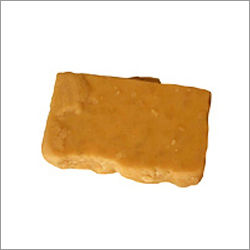
Tell us about your requirement

Price:
Quantity
Select Unit
- 50
- 100
- 200
- 250
- 500
- 1000+
Additional detail
Mobile number
Email


 Send Inquiry
Our Products

3rd Floor, Laxmi Plaza, Budhapara, Budha Para, Near Bijli Office,Raipur - 492001, Chhattisgarh, India

Mr. Kishore Jadwani
(Authorised Signatory)
Mobile :08045479037
 Send Inquiry
 Send SMS
Developed and Managed by Infocom Network Private Limited.
